
To the Esteemed Fellows of the Humble Archaeological Society,
I am pleased to report that my first day among the people of HumbleCraft has yielded far more questions than answers—a most encouraging start to any proper expedition.
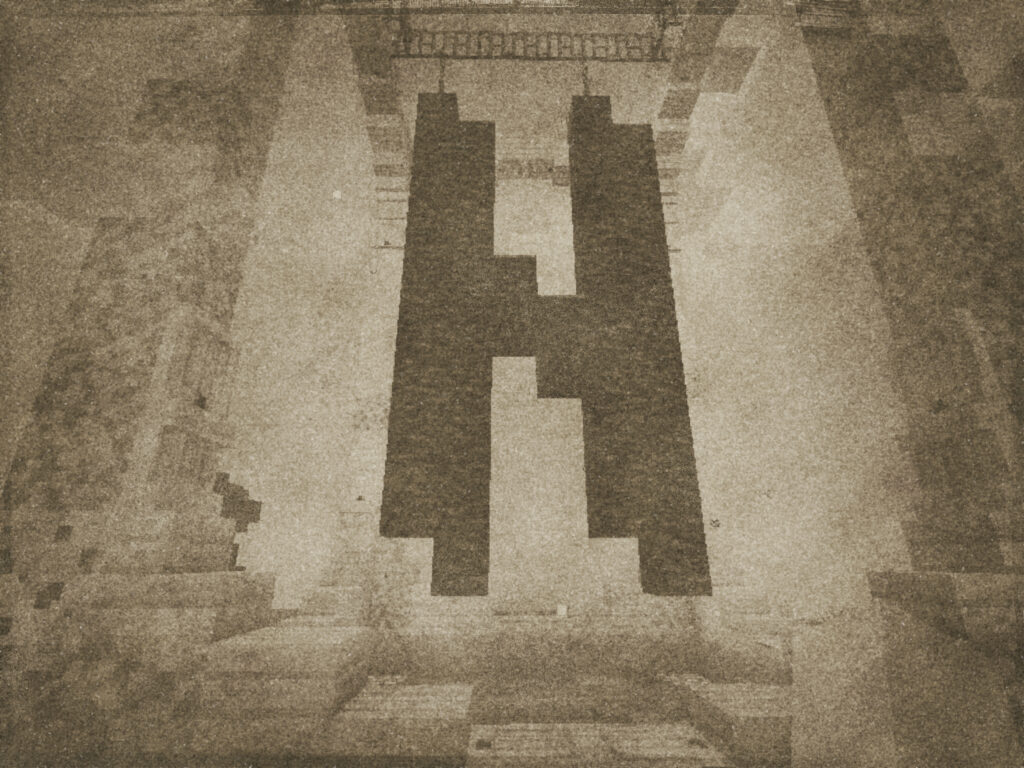
My first noteworthy discovery was a curious monument (fig. 1) dedicated to a symbol whose meaning presently escapes me. It occupies a place of honor among otherwise pleasant buildings, suggesting it represents either hope, unity, or exceptionally fine masonry. Curiously, I found no altar, offerings, or evidence of sacrifice. This is either a remarkably peaceful religion or one in serious decline.
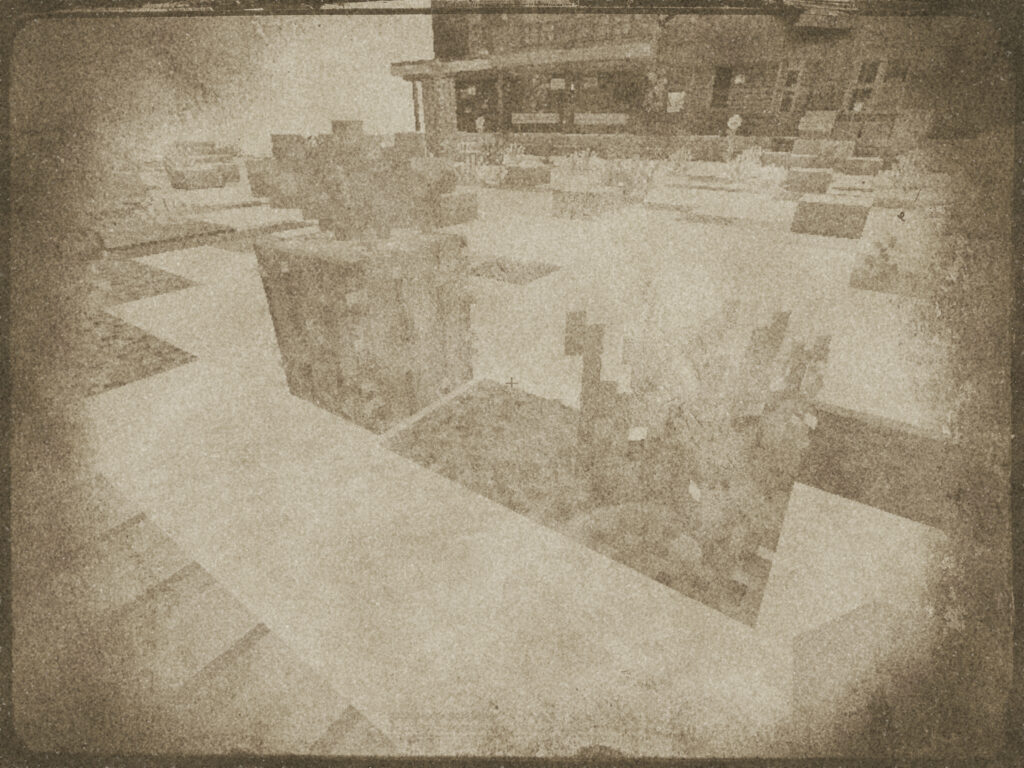
The surrounding landscape is home to unusual vegetation (fig. 2), some of which appears determined to discourage close examination. Such defensive flora is not uncommon in the wilds, though I confess it caught me by surprise more than once.
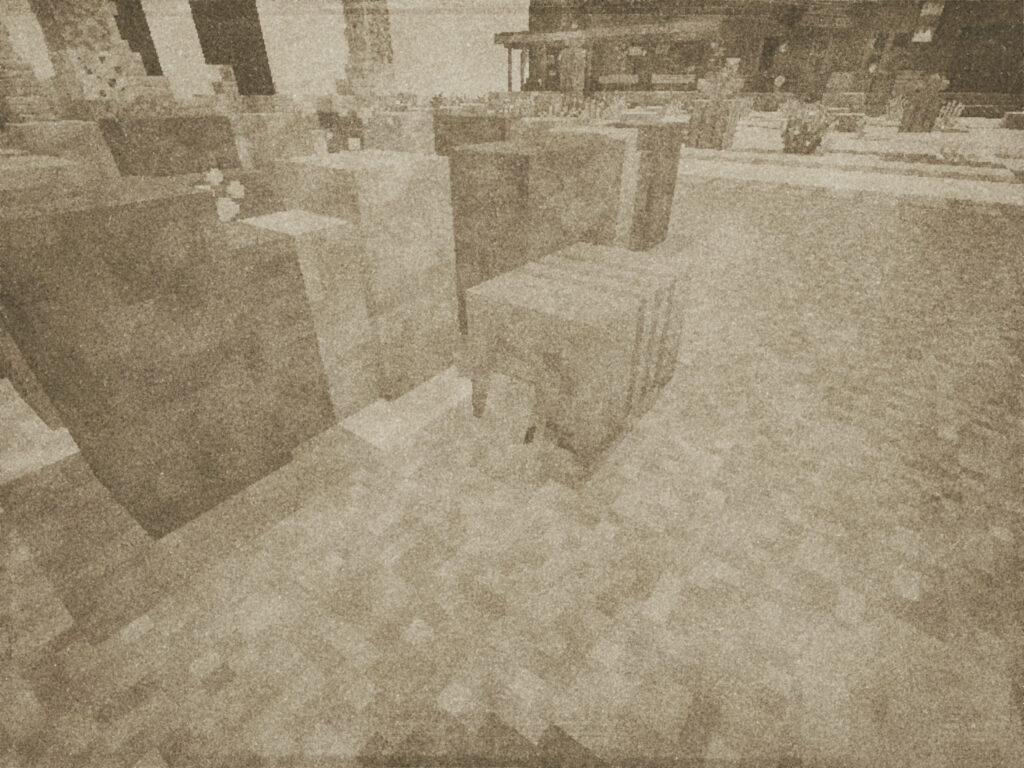
I also encountered my first native wildlife (fig. 3)—an exceptionally timid creature that seems deeply offended by loud noises. When left undisturbed, it sheds curious scales upon the ground before wandering off. I collected several specimens for further study. Whether they possess practical value or are simply nature’s way of encouraging patience remains to be seen.
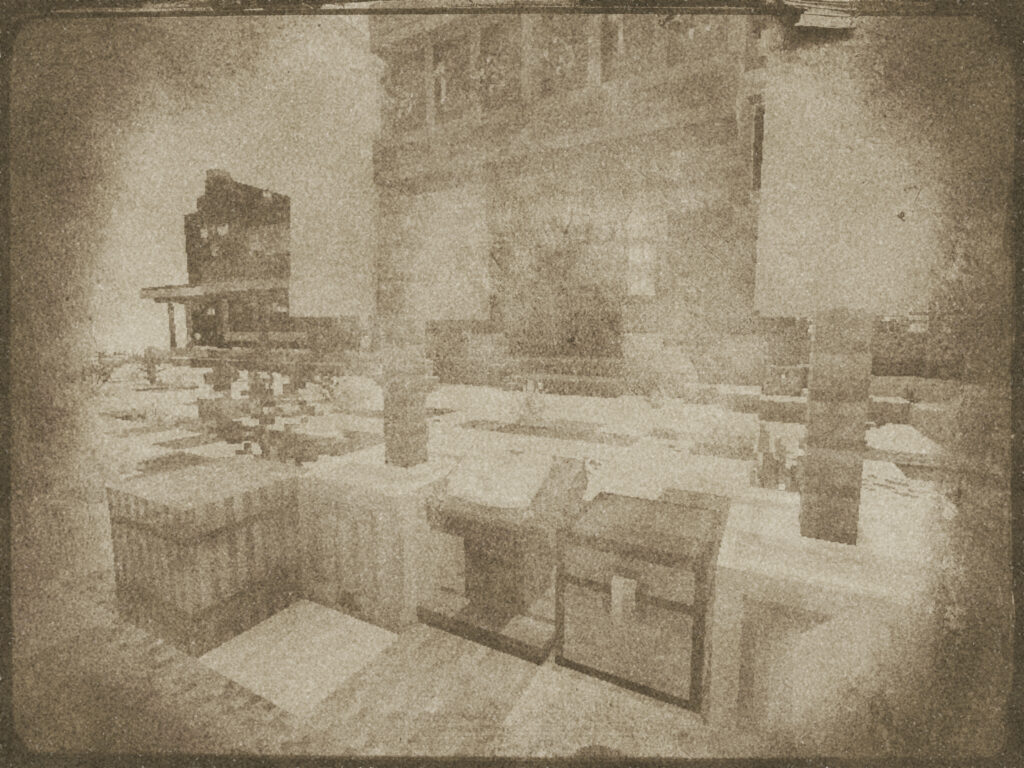
The local inhabitants appear to hold llamas in unusually high regard. Though I observed none of the animals themselves, I did discover a handsome structure (fig. 4) that seemed wholly devoted to their care. There was little evidence of actual husbandry, leading me to suspect the structure may instead serve as a place of reverence or ceremonial offering. I shall continue my investigation.
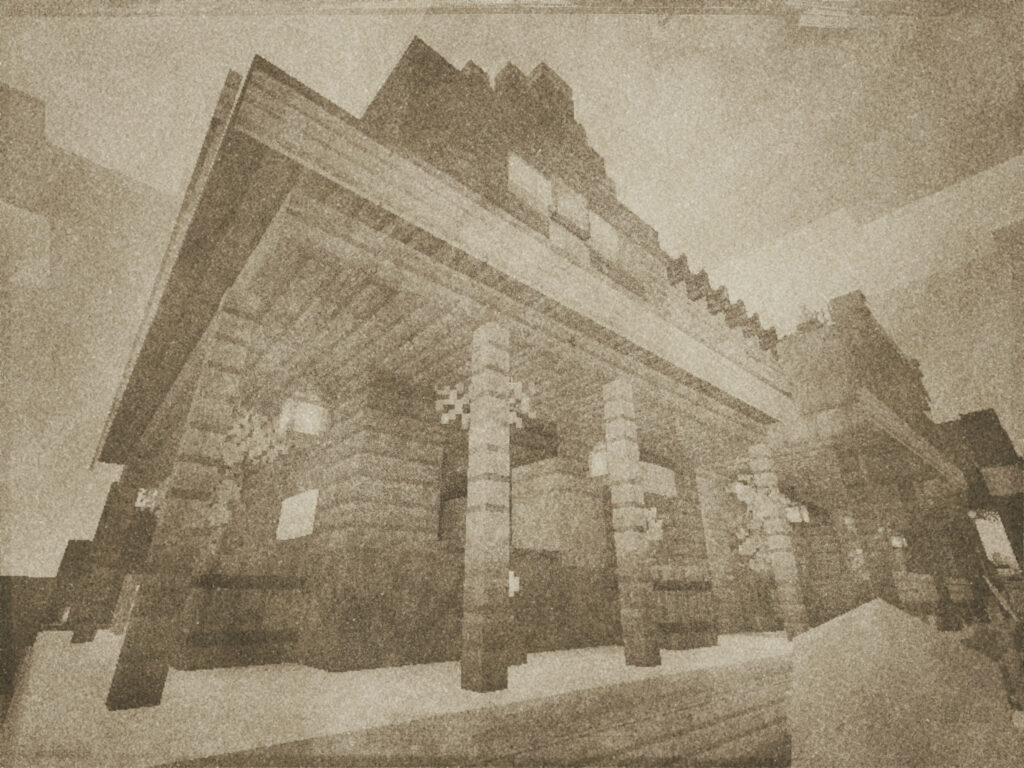
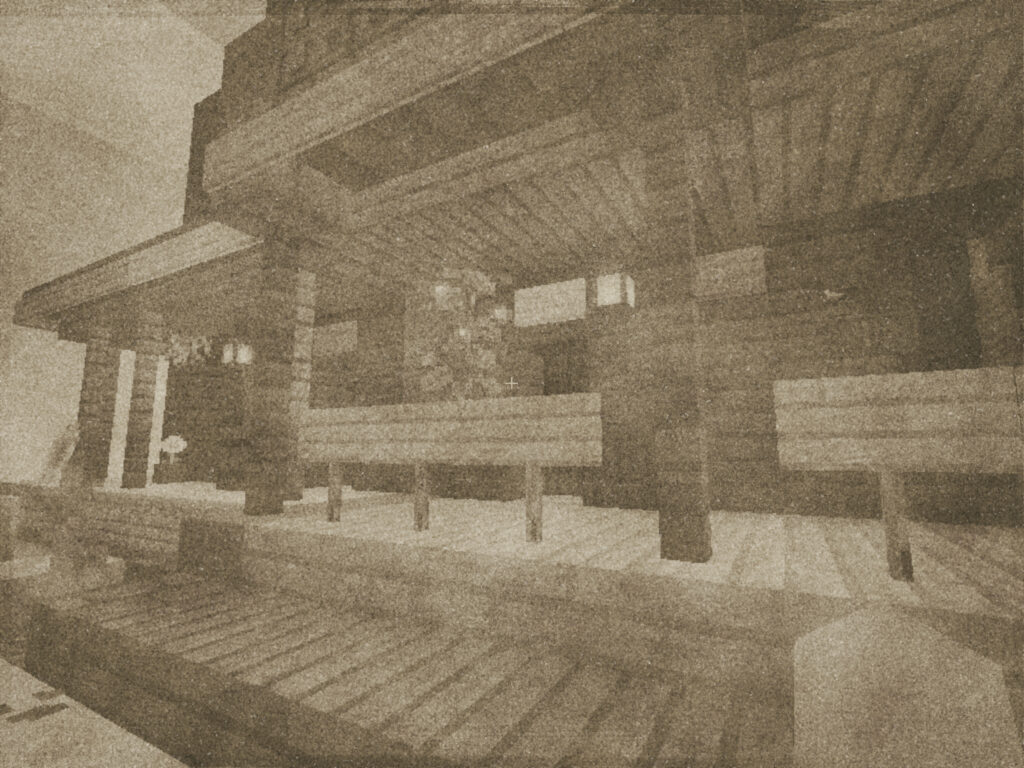
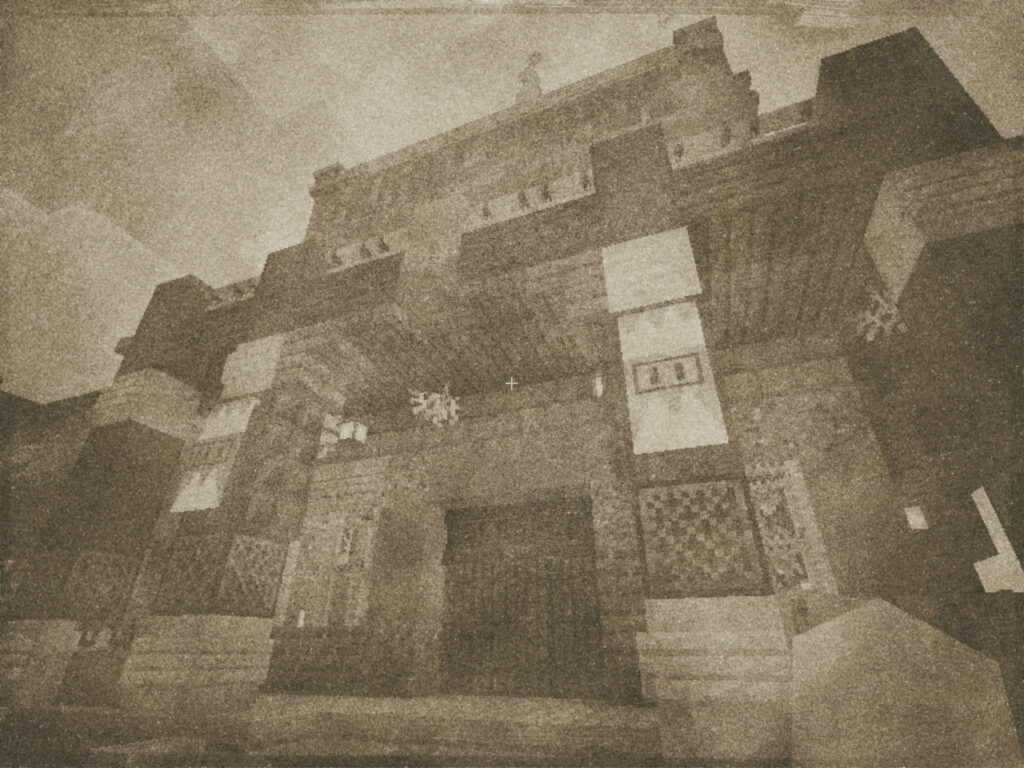
Not far beyond stood an imposing structure (fig. 5) that initially resisted my attempts to enter (fig. 6). One end proudly proclaimed itself the domain of a monarch known only as King Post. His fortress bears an unmistakable banner (fig. 7) and all the outward signs of authority. Whether His Majesty currently resides within remains uncertain, though I detected no royal guards.
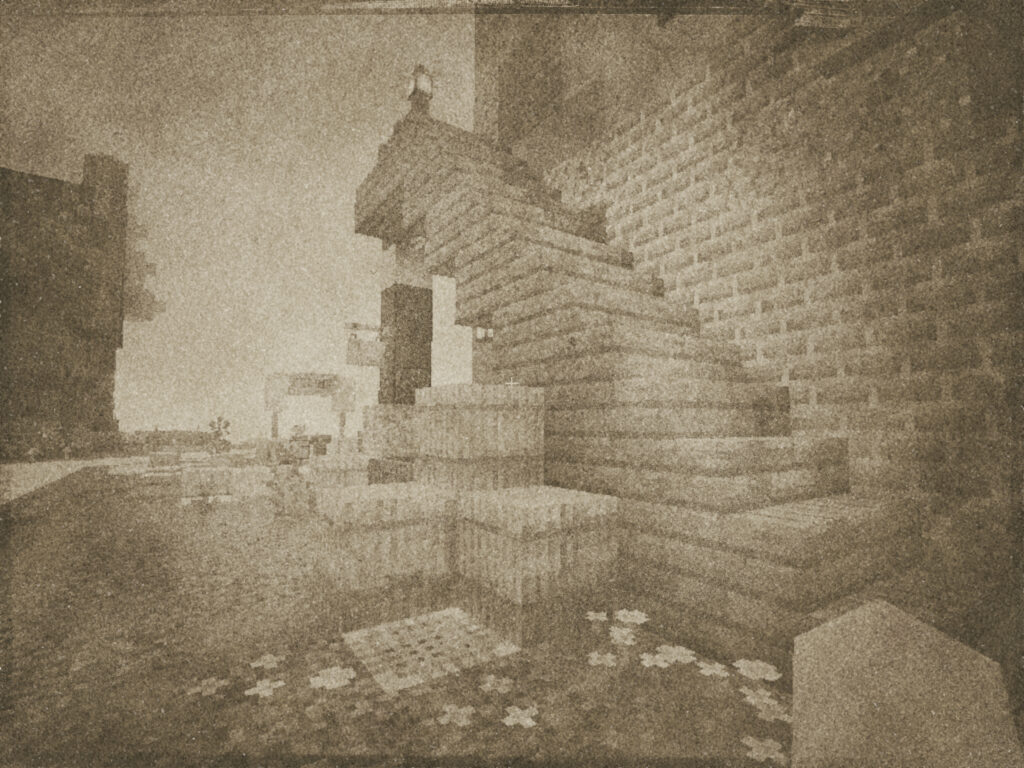
Circling the building, I eventually discovered a staircase (fig. 8) that appeared to have been constructed before the invention of sensible safety standards. Scientific inquiry occasionally requires unreasonable decisions, and so, after a brief internal debate with my better judgment, I ascended.
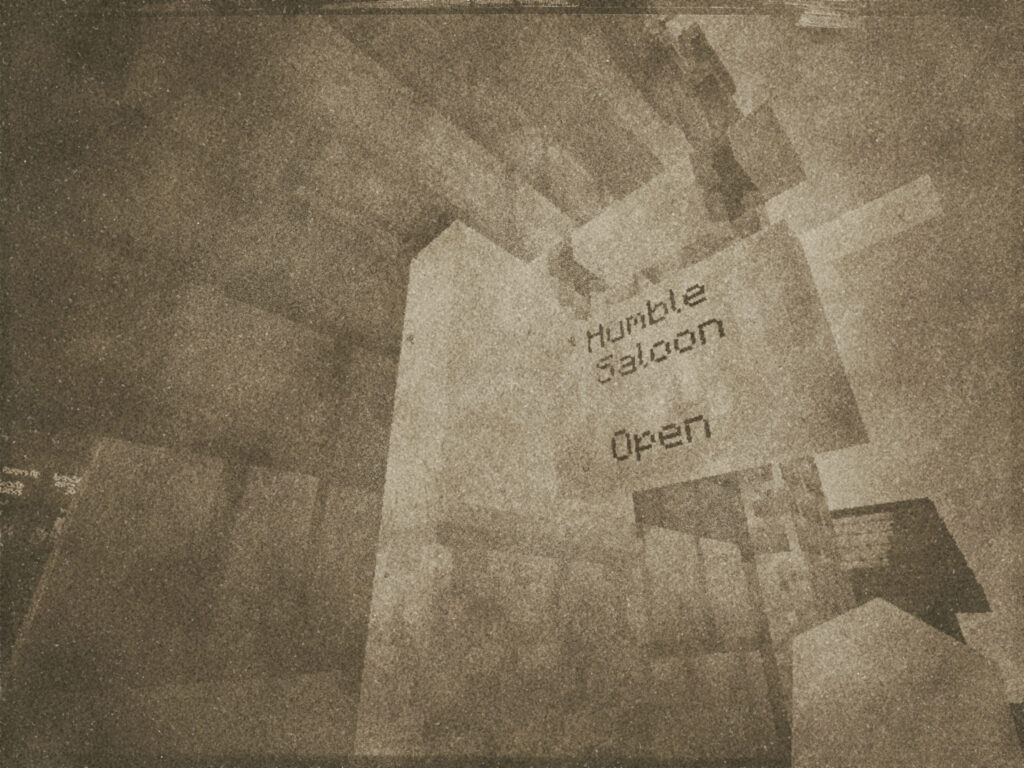
At its summit I discovered the abandoned residence (fig. 9) of one Mr. Saloon. Curiously, there was no door. As Professor Cobblebottom once wisely observed, “If there is no door, history has already invited you inside.” I therefore accepted the invitation.
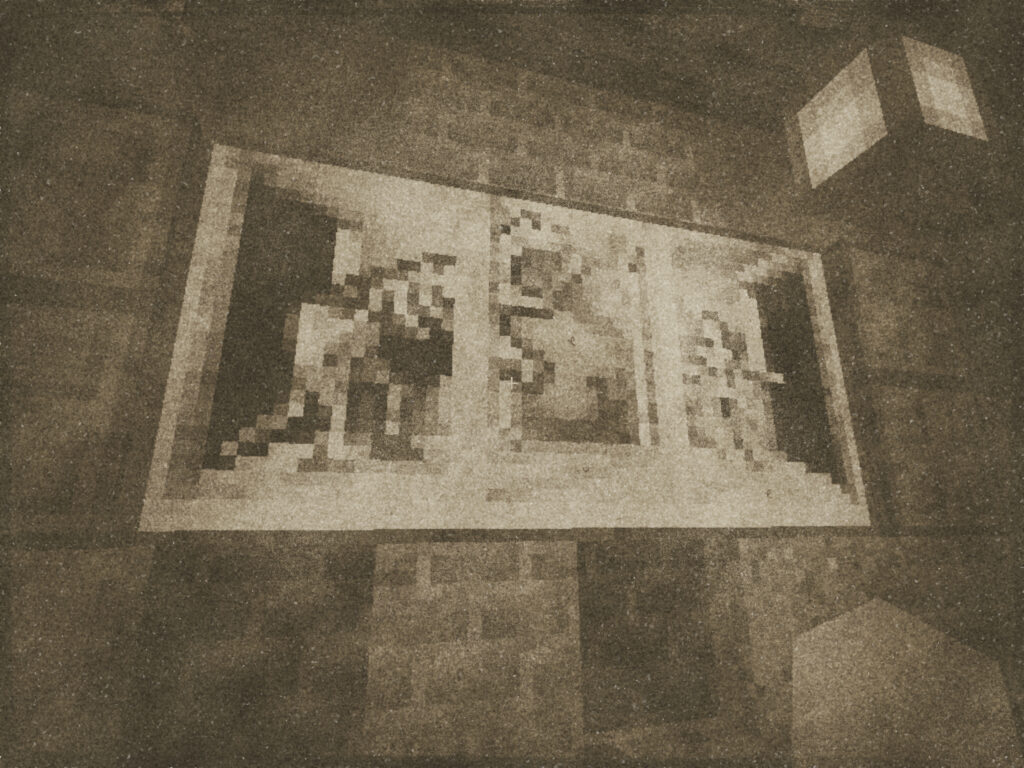
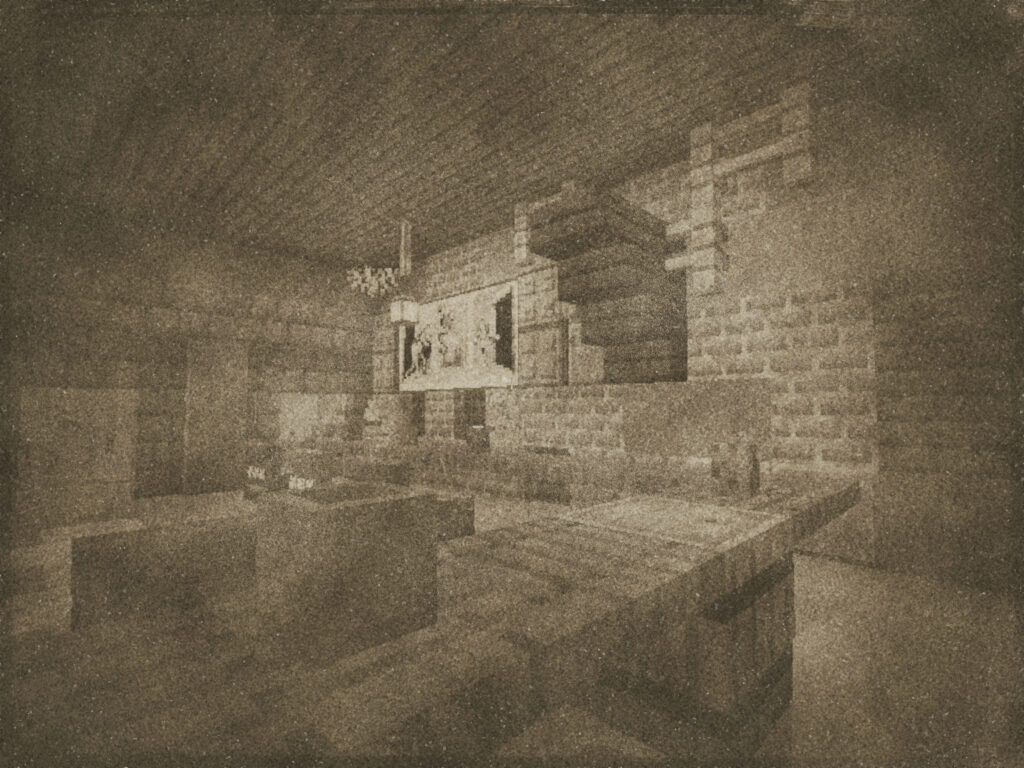
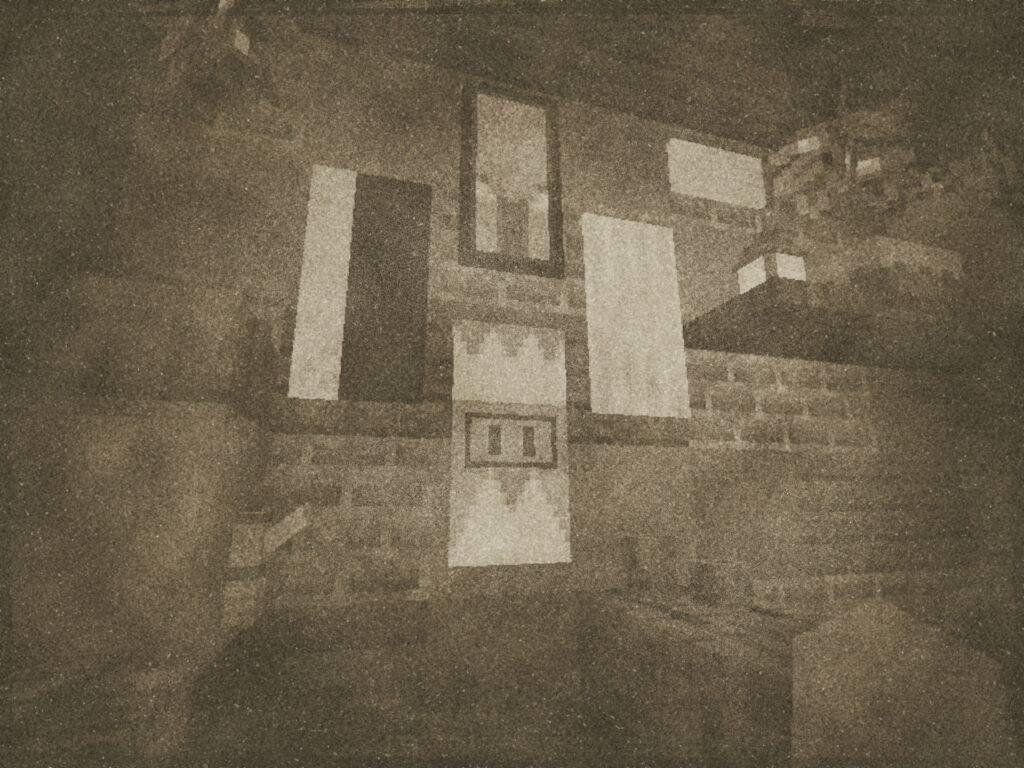
The dwelling contained artifacts in remarkable abundance. Most striking was an enormous painting (fig. 10) depicting what I can only assume to be a colossal skeletal beast. Mounted nearby was what appeared to be the creature’s skull (fig. 11), suggesting Mr. Saloon was either an accomplished adventurer, an enthusiastic collector, or possessed of remarkably imaginative decorating tastes. Numerous foreign banners adorned the walls (fig 12), hinting at extensive travels or perhaps successful negotiations with neighboring kingdoms.
The people of HumbleCraft have proven fascinating on this first day alone. Their customs are subtle, their architecture curious, and their history seems to hide comfortably in plain sight. I suspect every path, building, and weathered sign has a story waiting for someone patient enough to ask the wrong questions.
Tomorrow, I shall venture farther from this settlement. If fortune favors the curious, I may yet discover why a civilization would honor llamas, what became of King Post, and whether Mr. Saloon ever intends to install a front door.
Until my next dispatch,
Professor Humble Jones
Field Explorer
Humble Archaeological Society Member
Field Notes
Working Theories
- The central monument is symbolic rather than religious.
- King Post is either a ruler, a title, or an exceptionally accomplished postal worker.
- Mr. Saloon was an explorer of considerable experience and thirst—or at the very least, exceptional taste in wall decorations.
Questions for the Society
- Has anyone catalogued the curious scale-bearing creature?
- Are llamas universally revered, or is this a regional custom?
- Should the Society consider publishing recommendations for safer staircases?
Artifacts Collected
- Six curious scales.
- One feather of uncertain origin.
- A growing suspicion that this expedition will be far more interesting than originally expected.