
To the Esteemed Fellows of the Humble Archaeological Society,
After cautiously sampling the beverages left behind by Mr. Saloon, I discovered a route into the lower floor of King Post’s fortress.
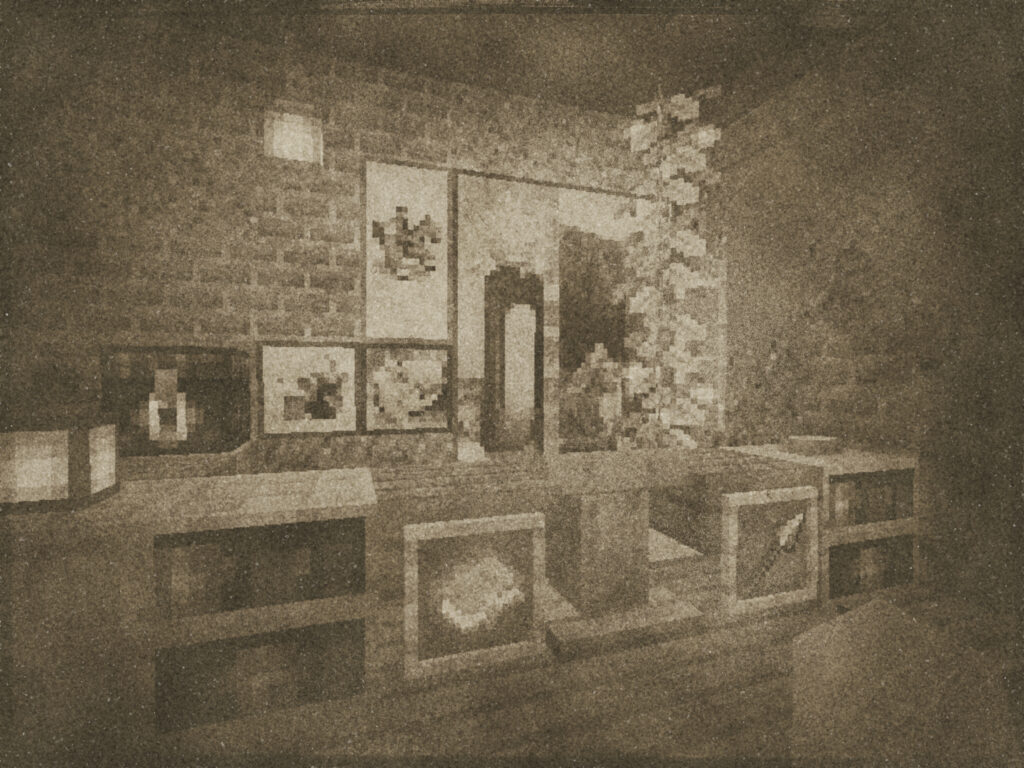
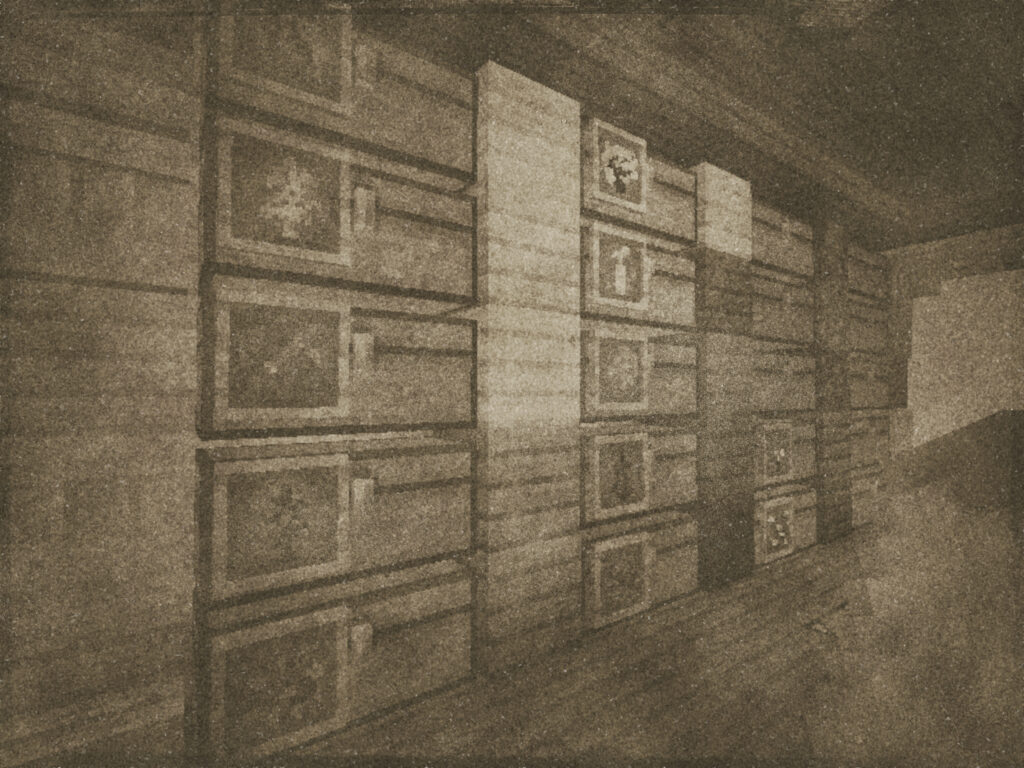
I was immediately greeted by a glorious collection of artifacts (fig. 1). It appears King Post was not merely a ruler, but also a collector and distributor of local knowledge. You can imagine my excitement. Entire walls had been devoted to recorded messages, preserved correspondence, and carefully organized information. I briefly wondered whether I had discovered the kingdom’s royal archive.
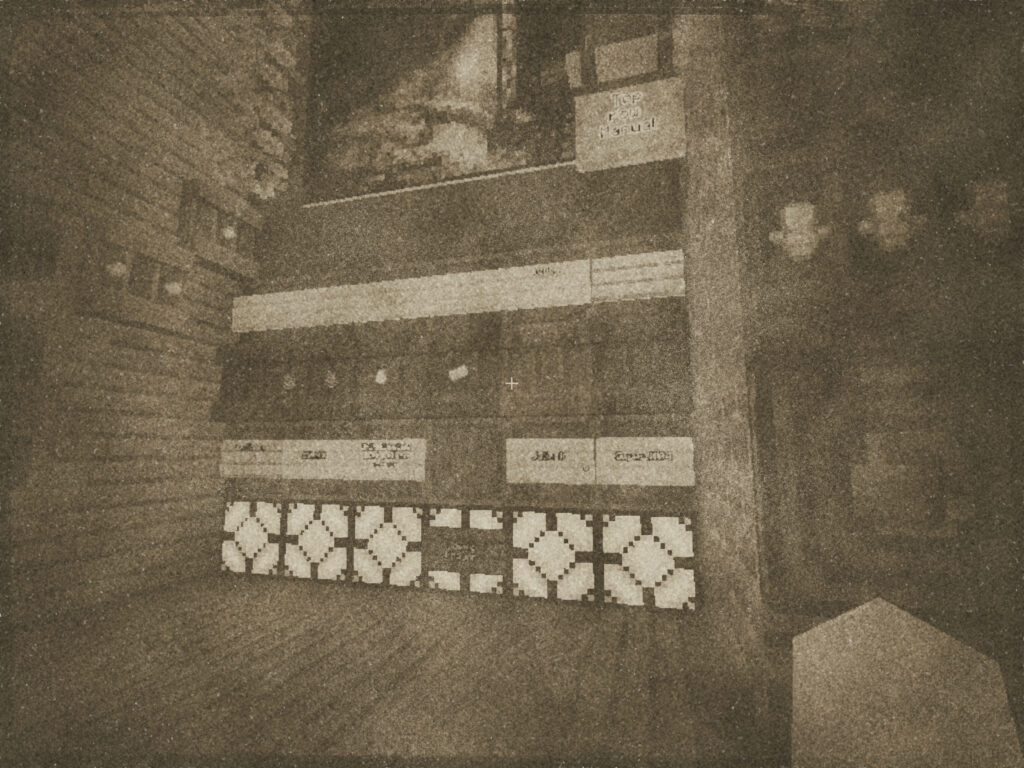
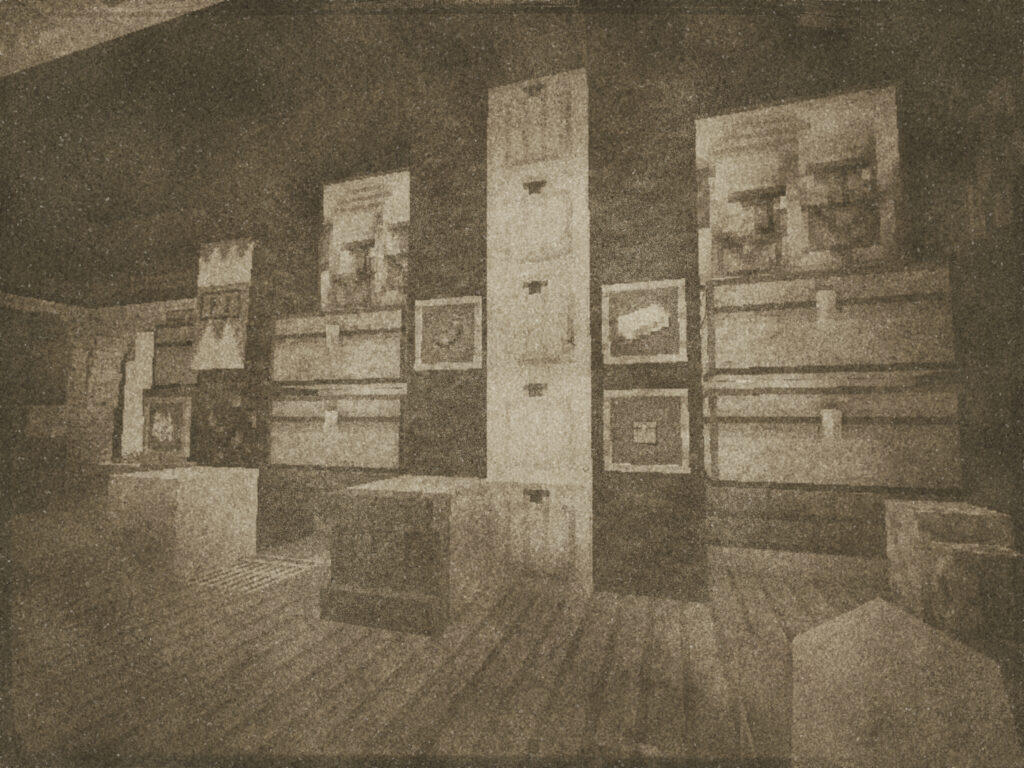
My excitement faded rather quickly when I noticed the crypts (fig. 2). They lined the walls in orderly rows, each marked with the name of a beloved citizen. Gifts and personal objects had been placed nearby, presumably to honor the departed. I began to suspect that King Post’s fortress was not an archive at all, but a mausoleum of considerable cultural importance.
I proceeded with the respect expected of a visiting scholar—and with considerably less enthusiasm for opening containers. Not all within was solemn.
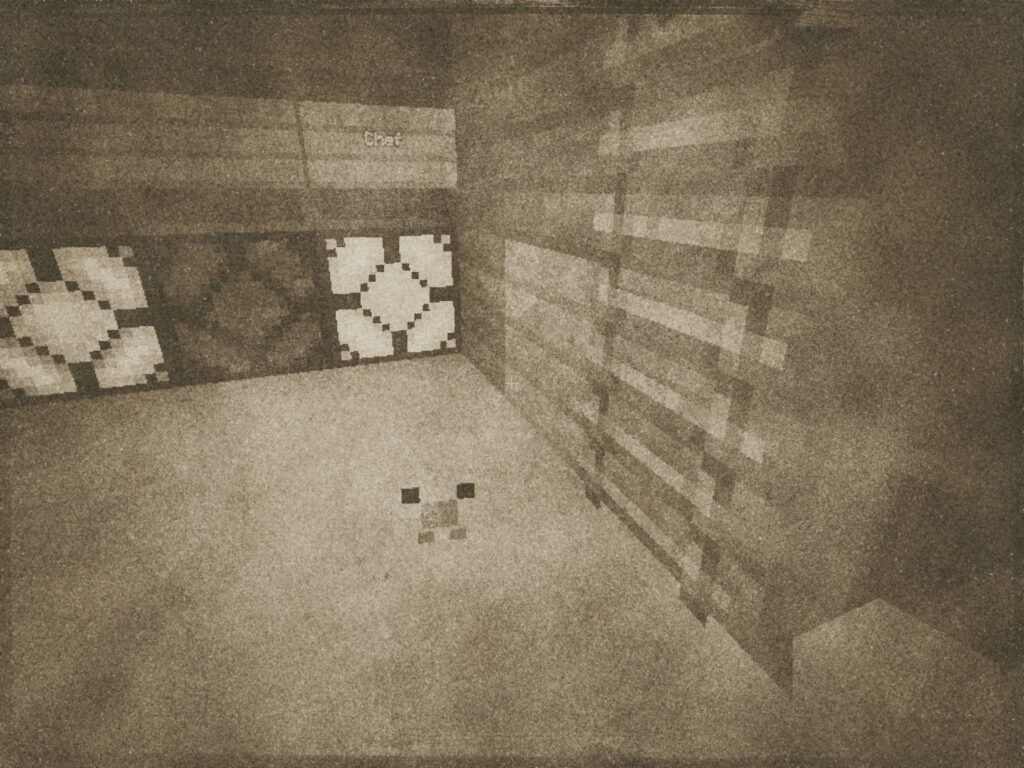
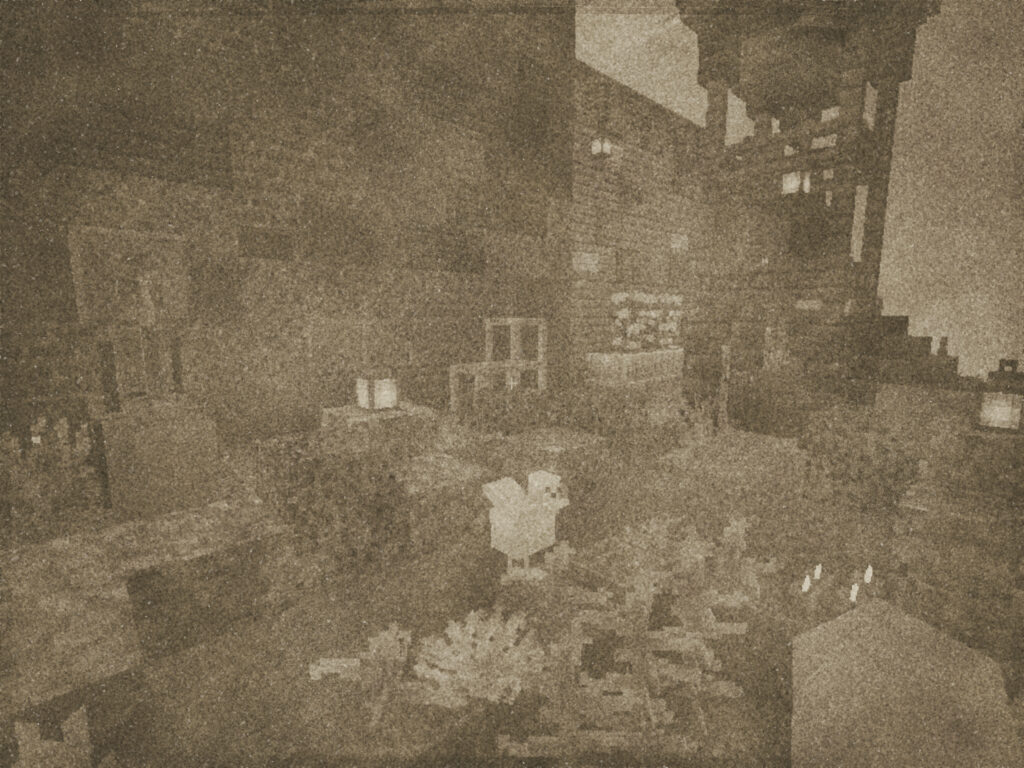
I encountered the smallest and most charming creature (fig. 3) I have yet seen in this land. It showed no concern whatsoever regarding my presence and seemed perfectly content to wander the chamber unattended. Its purpose remains unclear, though it brought a welcome measure of life to the place. Perhaps it serves as a guardian of the dead.
If so, it is a remarkably small guardian.
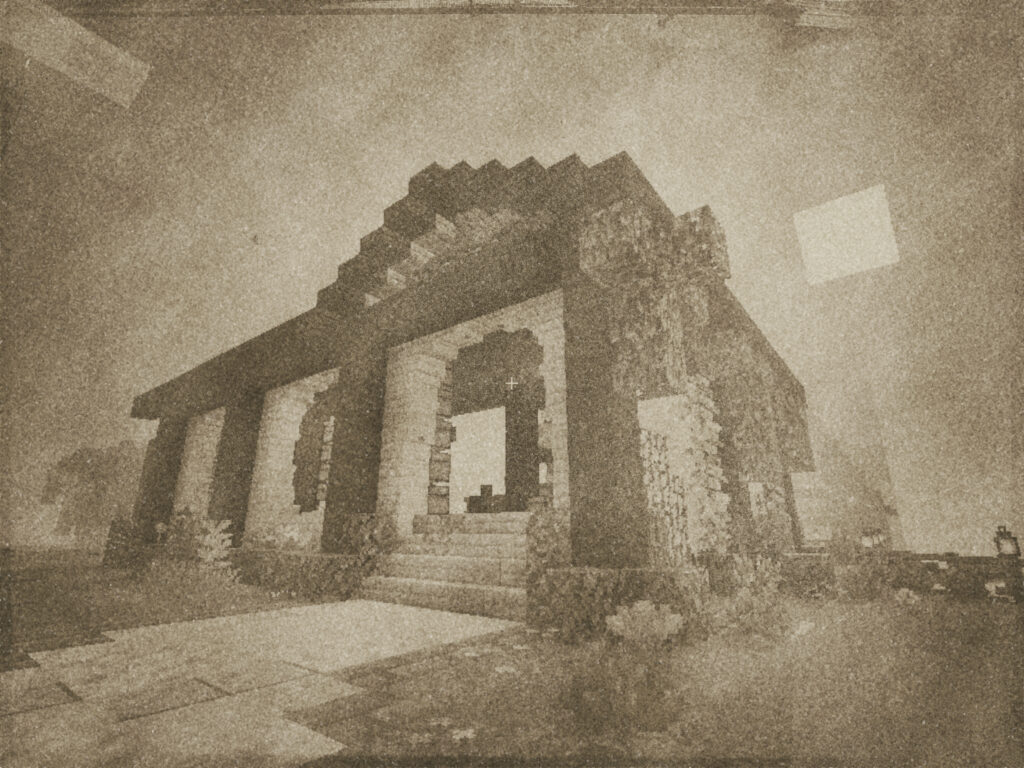
Beside the King’s mausoleum stands an awe-inspiring structure (fig.4) containing what I believe to be gifts presented to the royal family from the farthest reaches of the known world.
Its chests hold a wondrous collection of flora, minerals, and rare materials (fig. 5). Every specimen has been catalogued and displayed with extraordinary care. The courtyard is adorned with portraits of the King and Queen (fig. 6), confirming that the collection carries royal significance.
I spent several hours examining the displays and recording their most notable features. I hope to recognize some of their places of origin during my travels.
My most shocking discovery, however, concerned the enormous skeletal creature depicted in Mr. Saloon’s residence. It was almost certainly a dragon.
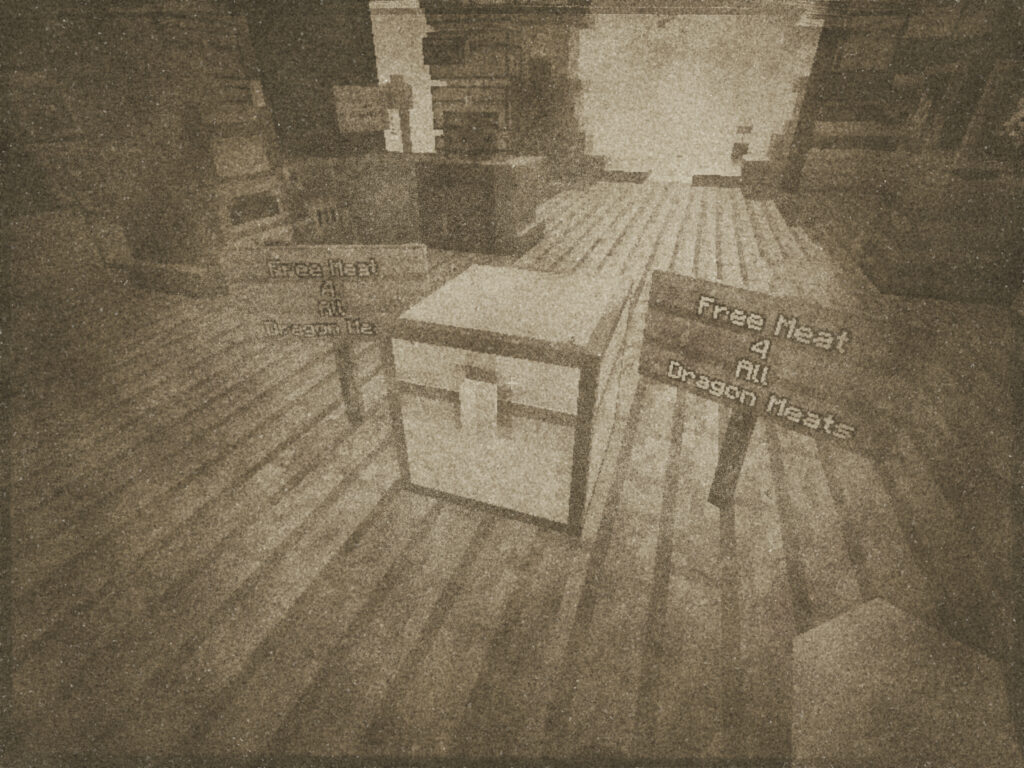
More troubling still, the people of this kingdom appear to consume dragon meat (fig. 7) in such abundance that portions are freely distributed to travelers. This suggests either that dragons are remarkably common here or that the local inhabitants are far more capable hunters than their pleasant architecture would imply.
I sampled the meat in the interest of scientific inquiry. It tastes remarkably like pork. In fact, it tastes exactly like pork.
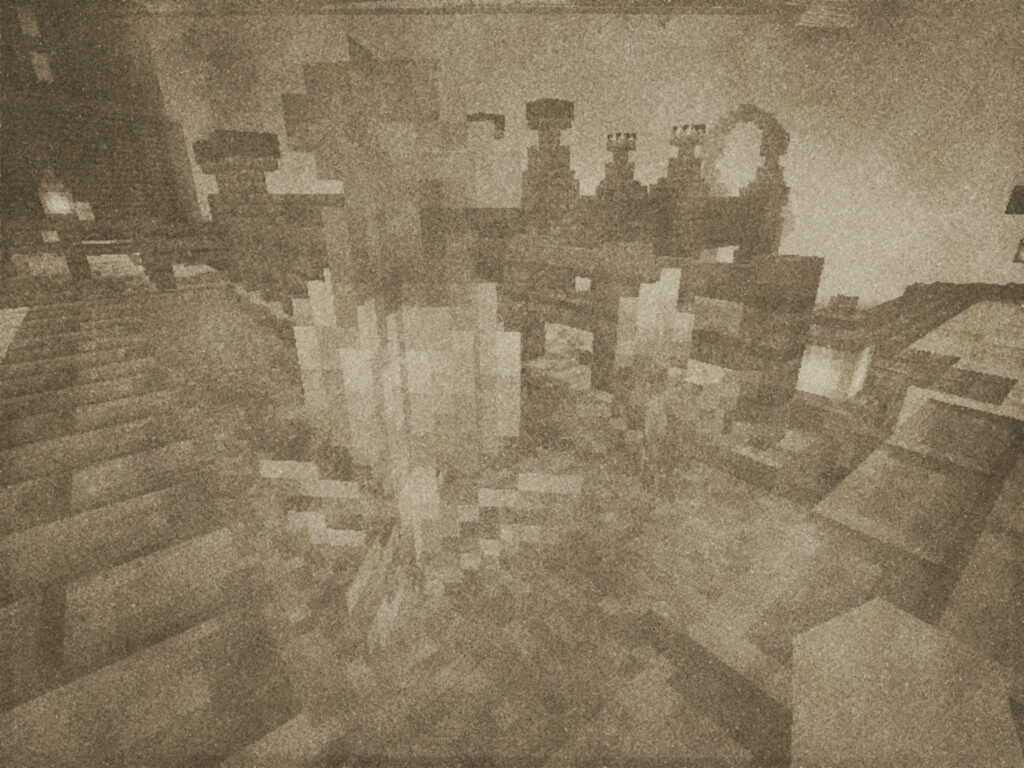
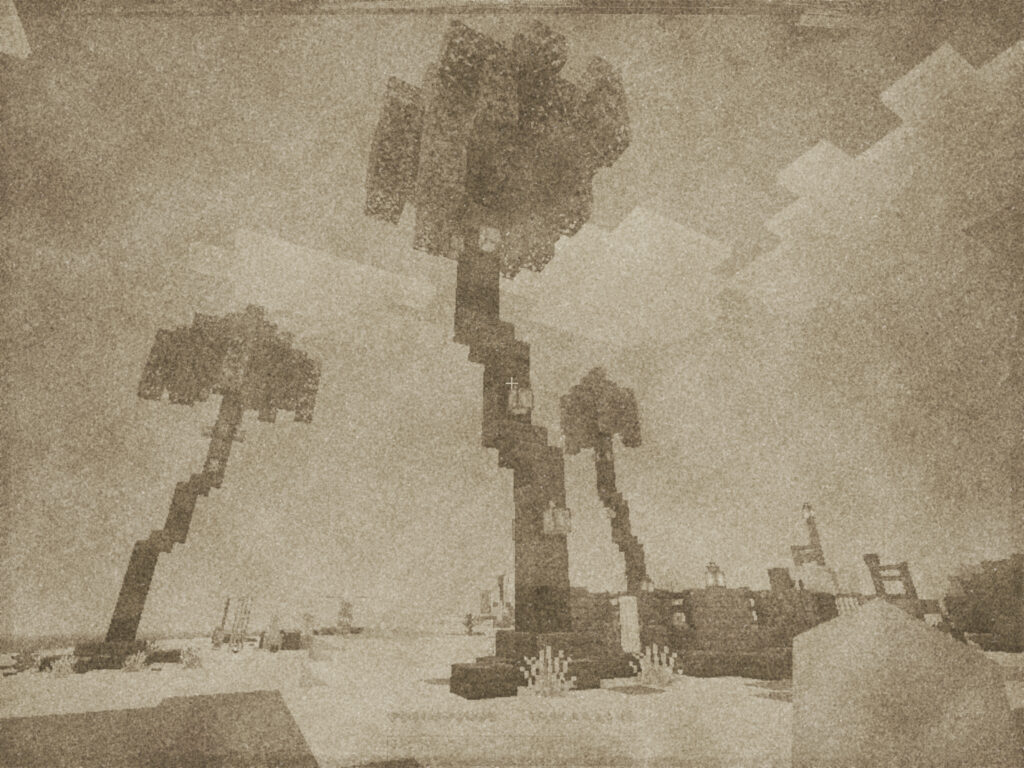
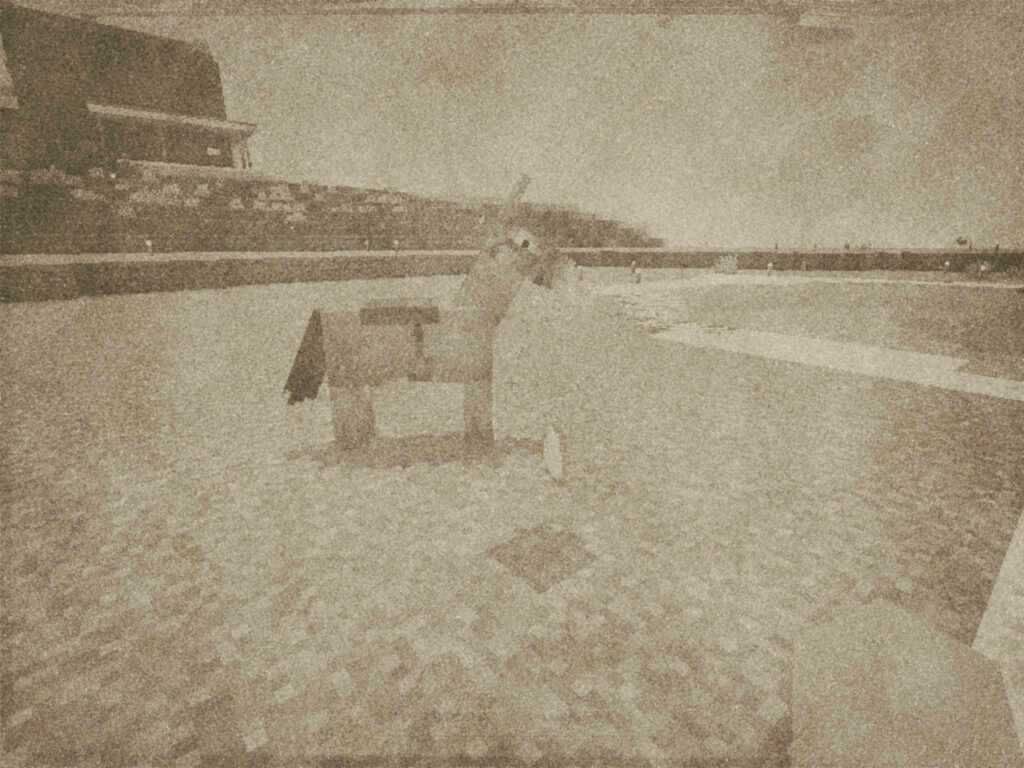
The oddities continued outside. I observed a lone duck swimming in a pond (fig. 8), several unfamiliar varieties of flowers and trees (fig. 9 and 10), and a domesticated horse-like creature that apparently lays eggs (fig. 11). I have chosen not to speculate further on the last discovery until the Society can provide guidance.
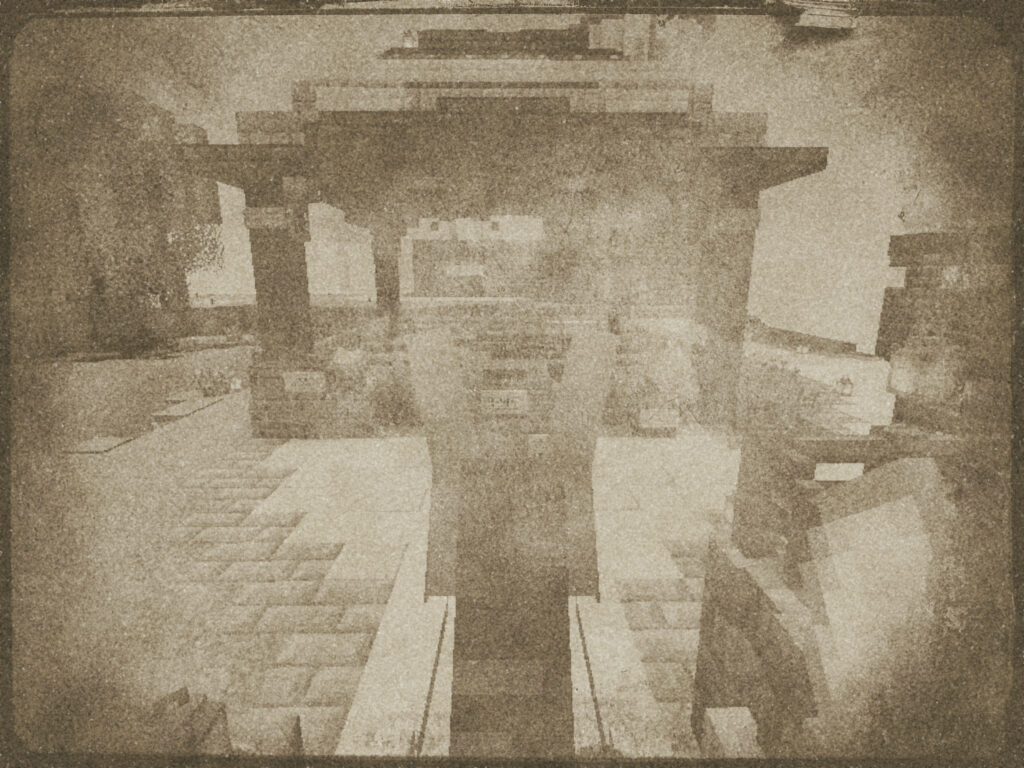
This island is filled with delightful structures, and before nightfall I was able to explore a small temple (fig. 12) commissioned by the Queen.
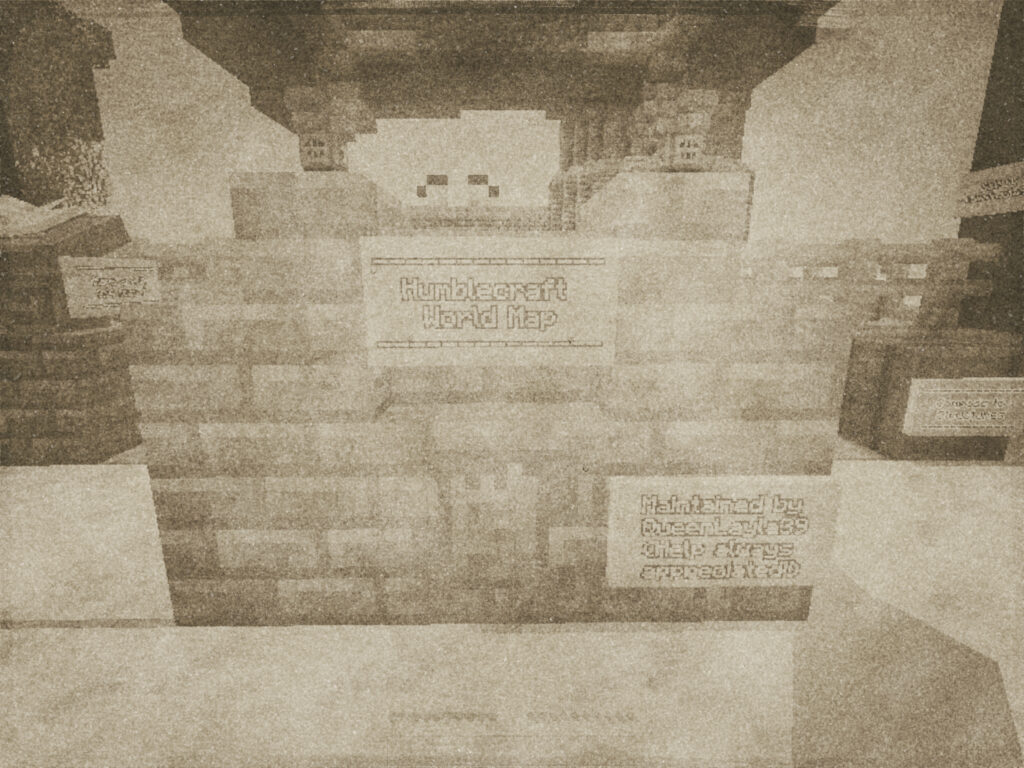
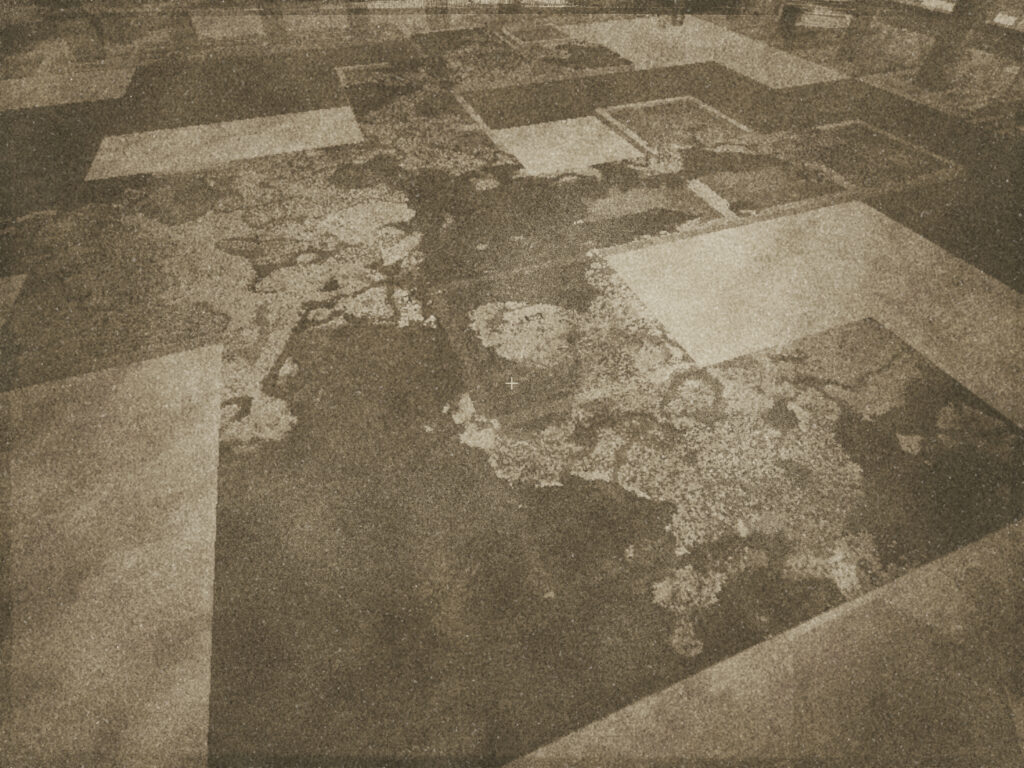
It appears that Queen Layla Post XXXIX (fig. 13) was—or perhaps still is—an avid cartographer. The known world (fig. 14) has been carefully mapped and placed on public display.
Copies of these maps are freely available to citizens and visitors alike (fig. 15). This is either an admirable act of openness or a remarkable failure of national security. For the moment, I prefer the more optimistic interpretation.

This kingdom continues to reveal itself as a place of contradictions: crypts filled with life, dragons that taste of pork, royal treasures shared freely, and creatures that refuse all reasonable classification.
I am beginning to suspect that understanding this civilization may require considerably more time than the Society originally allotted.
Until my next dispatch,
Professor Humble Jones
Field Explorer
Humble Archaeological Society Member
Field Notes
Current Working Theories
- King Post’s fortress serves as both a royal archive and a sacred mausoleum.
- Dragons are common enough in this region to be hunted and distributed as food.
- Kingdom’s maps freely available, suggesting either great generosity or exceptional confidence in the realm’s defenses.
- Pork may be closely related to dragon meat.
New Species Observed
- One remarkably small crypt-dwelling animal.
- One lone duck.
- Several unfamiliar flowers and trees.
- One domesticated horse-like creature capable of laying eggs. Classification of the final specimen has been postponed pending further evidence.
Questions for the Society
- Are dragons commonly farmed in other regions?
- Have egg-laying horse-like animals been documented elsewhere?
- Has anyone ever met King Post personally?
Artifacts Examined
- Royal records and preserved correspondence.
- Memorial gifts belonging to departed citizens.
- Catalogued botanical and mineral specimens.
- Public maps of the known world.
- Dragon meat, partially consumed for scientific purposes.